
Ответственность руководства за качество работы команды: кто должен быть оценен
Ответственность руководства за качество работы команды очень важна для успешной работы организации. Руководители должны оценивать качество работы не только своих подчиненных, но и свою собственную. Ниже рассмотрим, кто должен оцениваться и какие критерии следует учитывать.
Кого оценивать?
Руководителей
Руководители должны не только оценивать своих подчиненных, но и свою собственную работу. Они отвечают за качество работы команды, поэтому им важно понимать, что они должны делать, чтобы достичь успеха. Руководители должны обращать внимание на свою производительность, умение привлекать таланты и решать проблемы.
Команду
Помимо руководителей, следует оценивать всю команду. Распределение работы, эффективность коммуникации между членами команды, качество результата — все это важно для успеха организации. Каждый член команды вносит свой вклад в общий результат, поэтому важно оценивать их работу.
Какие критерии учитывать?
Производительность
Одним из главных критериев при оценке работы команды должна быть производительность. Важно отслеживать скорость выполнения задач и их качество. Если команда работает медленно и неэффективно, то это может привести к проблемам в организации.
Качество
Оценка качества работы также является важным критерием. Нужно следить за тем, что команда выпускает, чтобы убедиться, что она работает на высоком уровне. Если результаты низкого качества, то это значит, что команда должна изменить свои методы работы.
Коммуникация
Эффективная коммуникация — это ключевой аспект успешной работы команды. Руководство должно контролировать, как члены команды общаются друг с другом, и устранять любые проблемы, которые могут возникать.
Сотрудничество
Командная работа — это сотрудничество. Члены команды должны уметь работать вместе, чтобы достичь общей цели. Руководство должно следить за ростом умения команды эффективно сотрудничать.
Решение проблем
Качественное решение проблем также очень важно для работы команды. Команда должна быть готова к своевременному решению проблем, так что руководство должно обращать внимание на способность команды решать проблемы.
Заключение
Ответственность руководства за качество работы команды очень важна для успеха организации. Руководство должно оценивать свою собственную работу и работу всей команды и следить за производительностью, качеством работы, коммуникацией, сотрудничеством и способностью решать проблемы. Если руководство работает на этих аспектах, то команда будет работать более эффективно и достигать большего успеха в целом.
Как реагировать на ошибки подчиненных? Зачем получать обратную связь от сотрудников? Стоит ли вступать в переговоры с офисными террористами? Собрали из наших книг полезные советы для руководителей.
Давайте четкие инструкции
Не надейтесь, что человек, который пришел к вам работать, сам во всем разберется или будет читать ваши мысли. Как можно четче ставьте задачи, объясняйте подчиненным, что конкретно им нужно делать и какого результата вы ждете. Особенно важно давать подробные инструкции новичкам — чтобы они не чувствовали себя растерянными, напуганными и не совершили кучу ошибок в первый же день.

45 татуировок менеджера

Чем неопытнее сотрудник, тем детальнее нужно все объяснять. Источник
Известный российский менеджер, бизнес-тренер и автор серии бестселлеров «45 татуировок» Максим Батырев рассказывает:
— Я всегда с пониманием отношусь к каждому молодому соискателю, сотруднику, стажеру и работаю с ним как наставник, провожу первые дни и недели, рассказывая, как у нас принято работать, по каким правилам, что является результатом работы, к кому по каким вопросам можно и нужно обращаться…
Все это происходит по моей инициативе, я не жду, когда человек попадет в неудобную ситуацию, ведь он может и не признаться, что ему что-то неизвестно или непонятно. Я помню, как чувствовал себя сам, когда был начинающим.
И на все стенания руководителей, которые сокрушаются по поводу того, что их сотрудники слабы и несообразительны, не такие, как «мы были в свое время», что они даже не умеют работать с базой данных, что они даже не готовятся к переговорам, что они даже не спрашивают у клиентов элементарных вещей, что они не читают такие-то книги, я всегда отвечаю вопросом: «Ты ему рассказывал, что так надо? Ты его учил?»
«Так это же элементарно!» — слышу я в ответ. И всегда говорю одно и то же: «ТО, ЧТО ОЧЕВИДНО ДЛЯ ВАС, НЕ ОЧЕВИДНО ДЛЯ ДРУГИХ».
Учитесь задавать правильные вопросы
Вот что говорит об этом основатель сети семейных кафе «АндерСон» Анастасия Татулова:

Нельзя, но можно
— Есть такой философ и психолог Оскар Бренифье. Он практикующий бизнес-тренер, ведет семинары и часто бывает в Москве. Тренинги у него меганеприятные. Его называют мастером неудобных вопросов. Ты должен себя прямо вывернуть наизнанку, чтобы остаться на его тренинге.
Но если ты отрешишься от своего эго и посидишь-послушаешь, то он научит очень простой вещи. Он научит задавать вопросы. Ты спрашиваешь у коллеги: «Как дела?» Он тебе говорит: «Хорошо». Это не равно вопросу: «Ну как, у тебя работа сделана?»
У меня такая история была с младшим сыном. Я Тиме — он тогда учился во втором классе — задавала вопрос: «Как дела?» Приходила с работы и спрашивала. Он говорил: «Хорошо». На следующий день: «Как дела?» — «Хорошо». «Как дела?» — «Хорошо». И тут пришло время идти на родительское собрание, и я на этом собрании журнал посмотрела, а там — мама дорогая! — одни двойки.
Выслушала все, что в школе думают про меня и моего ребенка. Я прихожу домой и говорю: «Как же ты мне говорил, что все хорошо? Я же у тебя спрашивала!» А он мне отвечает: «Ты не спрашивала, какие у меня оценки. Ты спрашивала, как у меня дела. А дела у меня хорошо!» И все.
Так вот, Бренифье учит, что в девяноста процентах случаев мы получаем ответ, который начинается со слов «Понимаешь…». А ты должен научиться ставить правильные вопросы и просить людей отвечать односложно. Только «да» или «нет». Просто ответь, ты сделал эту работу?
Называйте вещи своими именами
Намеки, недомолвки, откладывание неприятного разговора до последнего — все это плохие стратегии. Если вас что-то не устраивает, говорите прямо. Не ждите, что подчиненный сам об этом догадается.
Указывать на ошибки и слабости человека, чтобы он понимал, на что ему следует обратить внимание, сложно. Это неблагодарное занятие, но оно приносит много пользы в перспективе.

Объективная критика — самое важное, что вы можете дать своим сотрудникам. Источник
Максим Батырев:
— Очень важно называть вещи своими именами. Как бы ни было это неприятно, неудобно, некрасиво, но люди должны понимать четко и конкретно, что от них хотят и какие есть нарекания в их адрес.
Многие менеджеры боятся сказать сотруднику, что он плохо работает. А когда дело доходит до увольнения, выдают все на-гора: ты и там был плох, и здесь не так делал, и тут накосячил.
В большинстве случаев для сотрудников слова руководителя в такой момент оказываются сюрпризом. Но ведь лучше до этого не доводить.
Я радуюсь, когда люди добиваются результатов, и говорю им, что они молодцы. Хмурюсь, когда результаты неудовлетворительные, и тоже называю вещи своими именами. Высказываю в лицо девочкам недовольство, если они приходят на работу ненакрашенными, а ребятам — если небритыми. Говорю человеку, что он лентяй, если он лентяй, и что он трус, если он трус.
Да, многие обижаются, но зато преобразуются буквально на следующий день.
Так создается некая система координат. Понятно, что хорошо, а что плохо. Что можно, а чего нельзя. А при наличии системы координат всегда работается легче.
Берите на себя ответственность
Руководитель должен отвечать за свои решения. Это важно для каждого этажа управления. Анастасия Татулова рассказывает:
— Когда компания стала расширяться, мы запретили слова «администрация» и «руководство». Потому что, если оно есть, можно сказать: «Администрация приняла решение уволить тебя». Это слово, за которым нет личности, за которым скрывается неведомая сила, на которую можно свалить все. Все то, что ты хочешь сказать своему сотруднику, не желая при этом брать на себя личную ответственность.
Есть широко известная формула руководителя среднего звена, которая звучит так: «Они приняли решение, я вам сейчас его донесу, я с ним вообще-то не согласен, но защитить вас не смог».
Когда человек говорит такого рода вещи — это все, это провал. Потому что, если ты считаешь «решение компании» неправильным, у тебя есть право уволиться, уйти. Но если ты остаешься, то ты часть компании, это решение становится твоим тоже. Ты идешь и говоришь: «Мы так решили. Я так решил».
Не оставляйте зло безнаказанным
Зло должно быть наказано. Всегда. Этот принцип — один из самых главных в работе менеджера.
Максим Батырев:
— Зло — это такой проступок сотрудника, в котором имелся умысел. Или который был совершен осознанно. Если сотрудник случайно проспал, а такое, согласитесь, может быть, при этом он звонит вам на мобильный, извиняется, приезжает запыхавшийся и весь пунцовый от стыда на работу, навряд ли этот сотрудник заслуживает наказания.
А если сотрудник выкладывал в Instagram в три часа ночи фотографии из ночного клуба, а сегодня, не протрезвев, опоздал на полчаса, то он прекрасно все понимал и осознавал. Он проспал не случайно, он совершил злой поступок. Это нужно наказывать. Хотя бы для того, чтобы показать: система управления в компании работает. Остальные это увидят и вместо того, чтобы испугаться за свою шкуру, начнут власть уважать.
Если власть на зло реагировать не будет, то любое подразделение начнет разваливаться и умирать.
Когда сотрудники точно знают, что можно, чего нельзя и что им ОБЯЗАТЕЛЬНО попадет, если они сделают то, чего делать нельзя, и при этом ни прощений, ни исключений, ни индивидуального подхода, — то эффективность работы возрастает в разы!
Напоследок подчеркну еще один важный аспект. Наказания — это не только взыскания и штрафы. Иногда достаточно нахмуренных бровей. Главное — показать, что вы как представитель власти все видите и замечаете.
Не карайте за ошибки тех, кто способен на них учиться
Все совершают ошибки. Разница лишь в том, что успешные люди на них учатся, а неудачники — нет.
Если вы создадите атмосферу, в которой сотрудники не боятся допустить ошибку и способны извлечь из нее урок, вы увидите, насколько быстро начнет прогрессировать ваша компания. Это особенно важно в организациях, где нужны нестандартность и независимость мышления, так как для достижения успеха необходима способность принимать провалы как часть процесса.
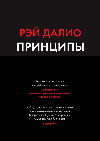
Принципы
Рэй Далио, основатель компании Bridgewater Associates, рассказывает историю из своей практики:
— Росс , который на тот момент руководил направлением по торговле на бирже, забыл вложить деньги клиента. К тому времени, когда это обнаружилось, ущерб составлял несколько сотен тысяч долларов. Ошибка была более чем серьезной, я имел полное моральное право уволить Росса, чтобы дать сигнал остальным, что мне нужны только идеальные сотрудники.
Однако это было бы контрпродуктивным решением. Я потерял бы отличного специалиста и человека, а остальные сотрудники начали бы скрывать свои ошибки, что привело бы к формированию корпоративной культуры, где поощряется ложь и которая бы препятствовала росту и развитию компании.
Если бы Росс не прошел через этот болезненный опыт, и ему, и Bridgewater было бы только хуже. Сигнал, который я послал сотрудникам компании, не уволив Росса, был гораздо мощнее, чем если бы я с ним расстался.
Я показал, что совершать ошибки допустимо, но недопустимо не извлекать из них уроки.
После того как страсти улеглись, мы с Россом совместно придумали «Журнал ошибок», в котором наши трейдеры фиксируют все свои неудачные результаты, чтобы мы могли их отслеживать и отвечать на них системно. Этот инструмент стал одним из самых эффективных в нашей компании.
Конечно, при управлении людьми важно проводить различие между 1) способными сотрудниками, которые анализируют свои промахи и учатся на них, и 2) неспособными сотрудниками или способными, но теми, которые не хотят признавать свои ошибки и учиться на них.
Вдохновляйте
Руководитель не может находиться на работе круглосуточно и следить за каждой мелочью, поэтому он должен заражать сотрудников своим отношением к делу и клиентам.

Каждый должен чувствовать себя частью особенной команды и работать с удовольствием. Источник
Анастасия Татулова:
— Я, как директор, должна позаботиться о сотрудниках, чтобы они позаботились о гостях. Как-то так. Это простая конструкция, но в определенный момент она стала для меня откровением. Кто-то сказал, что официанты — кровь компании. Они приносят гостям все, что дал им «организм», — свое настроение, идеологию обслуживания, даже тон утренней планерки. Они стоят на переднем крае работы. И главное — увлечь их так, чтобы они потом создали для гостя праздник.
Не скупитесь на похвалы
Многие руководители в нашей стране не любят хвалить подчиненных.
«Зачем мне хвалить людей за одни и те же вещи? Один раз похвалил, и достаточно. Второй раз за ТО ЖЕ САМОЕ хвалить не стану».
«Они по-хорошему не понимают. Когда их хвалишь, они садятся на задницу и перестают работать. Поэтому их надо чаще лупить, чтобы задницы-то свои от стулов отрывали».
«Я не буду хвалить за промежуточные вещи. Меня интересует только конечный результат. Вот когда закончится период, тогда и похвалю».
Это реальные мнения некоторых управленцев. Максим Батырев уверен, что эти утверждения ошибочны:
— Человек, выполнивший поставленную вами задачу или даже простую просьбу, должен получить похвалу, должен испытать чувство гордости за себя и за свои действия. Почувствовать себя героем.
Похвала — это выстраивание системы координат.
Сотрудник будет сосредоточиваться на том, за что его хвалят, хотите вы этого или нет. Главное — ХВАЛИТЬ ЛЮДЕЙ ТОЛЬКО ЗА ТО, ЧТО ТЫ САМ СЧИТАЕШЬ ПРАВИЛЬНЫМ (нужным, важным и т. п.). До каких пор это делать? Пока сами сотрудники не научатся себя хвалить за те вещи, которые вы считаете правильными.
А когда человека все время бьют, загоняют в рамки, применяют силу и власть, он просто научится защищаться и, скорее всего, покинет вас при первом удобном случае. Так и будет, если не хвалить.
Объясняйте свое ви́дение
Действуйте в открытую и всегда объясняйте «зачем», ставя задачу своим сотрудникам. Команда должна понимать, почему вы приняли то или иное решение.
Анастасия Татулова:
— Однажды Владимир Закурдаев из нашей мини-группы [на программе «Практика» в «Сколково»] нарисовал картинку: основатель компании и генеральный директор стоят перед горой и смотрят в одну сторону.
По ту сторону горы, допустим, река и корабль, ждет с кладом. Но гендиректор видит только склон, а собственник точно знает: там корабль. «Побежали», — говорит предприниматель своей команде и отправляется в путь. Но за ним никто не идет, потому что впереди гора.
«Погоди! Куда мы идем? Я вижу лес, овраг, гору, проблемы и вот это вот все. Нам туда зачем? Мы ноги сломаем, а возможно, и шею тоже!..» — отвечает генеральный директор.

Расскажите людям, что вы видите там, за горой. Источник
Когда ты знаешь, что там впереди, ты идешь. Когда человек не знает, то в лучшем случае он догоняет тебя, а в худшем — просто стоит на месте.
Такой конфликт часто порождает саботаж решений, неготовность к изменениям, раскол в компании. Но ведь два человека и правда не могут видеть одно и то же. Для того чтобы второй смог увидеть то, что видит первый, надо сделать несколько шагов назад и спокойно объяснить свое ви́дение.
Не допускайте неоднозначностей в работе
Одна из функций современного руководителя — формирование у людей верного представления о компании, в которой они работают. А недостаток информации приводит к тому, что сотрудник заполняет пустое пространство в своей голове тем, чем не нужно. В 100% случаев.
Максим Батырев:
— Чем выше в иерархической пирамиде ты находишься, тем, соответственно, дальше от тебя сотрудники. И тем меньше доходит до них правильной, с твоей точки зрения, информации. Даже самой прекрасной и радостной, которую ты хотел бы донести.
Если тебя от сотрудников отделяет одно звено, она будет слегка искажена и чуточку окрашена под мнение менеджера. Если тебя отделяет два звена, она будет искажена сильно, и те мотивы и посылы, которые ты направил людям, окажутся утрачены. Останется сухой остаток. Через три звена информация не дойдет.
Поэтому очень важно, чтобы у сотрудников всегда имелась возможность дотянуться до реальной объективной картины происходящего.
Осенью 2012 года до меня доползли слухи, что «все плохо». Что сотрудники начинают жаловаться на несправедливость, невезение, непонимание и прочие «не-». Тогда я впервые решил провести нечто наподобие пресс-конференции.
Я сделал следующее: дал команду, чтобы в подразделениях расставили ящики с щелью в крышке. Так у людей появилась возможность бросать туда бумажки с анонимными вопросами. Результат не заставил себя ждать.
У меня появилась возможность объяснить взрослым людям взрослым языком свою директорскую позицию, чем я с радостью и воспользовался.
Я отвечал на все без исключения вопросы, что заняло около двух часов, отвечал однозначно. Наполнял вакуум информацией, которой было нужно наполнить головы моих дорогих сотрудников: про карьеру, перспективы, тенденции, почему мы принимаем такие-то решения и куда мы движемся…
После той конференции атмосфера в департаменте выровнялась на глазах. Видимо, в мозгах не осталось неоднозначностей, которые всегда трактуются не в пользу работодателя.
Получайте обратную связь
Вы должны быть готовы получать и открыто анализировать обратную связь. Это не значит, что вы обязаны отказываться от своих решений, если кому-то они не нравятся, или идти на уступки. Но услышать мнение сотрудников, особенно когда это конструктивная критика, бывает очень полезно.
Существуют разные способы установить такую обратную связь. Например, в сети «АндерСон» действует линия 911.
Анастасия Татулова:
— Мы формируем культуру обратной связи, без которой для меня развитие невозможно. Недоволен зарплатой, столкнулся с несправедливостью, не можешь решить проблему — 911 создана для любых вопросов, жалоб, предложений, критики внутри компании.
В первый месяц работы 911 мы получили всего два обращения сотрудников, и оба анонимных. На то, чтобы система заработала полноценно, потребовалось два года. Сейчас в месяц мы получаем несколько десятков обращений.
Любое обращение в 911 попадает ко всем руководителям, включая меня и генерального директора. Каждое обращение в 911 регистрируется и висит до тех пор, пока вопрос не будет закрыт и инициатор не отметит, что проблема или вопрос решен.
Линия 911 — это важная часть ДНК «АндерСона», одна из ценностей, которая учит нас всех: говори открыто.
Четыре раза в год я провожу «Открытый диалог», на который может прийти и задать свой вопрос абсолютно любой сотрудник. Часть вопросов мне заранее присылают по почте, часть задают напрямую или передают из зала в виде анонимных записок. На мой взгляд, такие открытые встречи очень эффективны. Это полезно обеим сторонам. Сотрудники понимают, что их слышат. А я знаю, что происходит в компании и на каких точках следует сфокусироваться.
Не вступайте в переговоры с террористами
Никогда не вступайте в переговоры с людьми, которые хотят сделать вас заложником какой-либо ситуации. Это одно из железных правил Максима Батырева. Вот что он пишет:
— Кого можно считать террористами в бизнесе? Любой сотрудник, который каким-либо способом вам угрожает, и есть так называемый террорист. Особенные любители таких угроз — это подразделения или персонал, без которых организация не функционирует, либо сотрудники, обладающие уникальным функционалом.

С людьми, которые встают в оппозицию к компании и начинают выдвигать ультиматумы, нужно уметь расставаться. Источник
В нашем бизнесе одна из основных услуг, благодаря которой мы оказываем клиентам беспрерывную поддержку, — это горячая линия. И я вспоминаю, как в далеком 2004 году наша горячая линия стала бандой террористов…
Ребята там работали хорошие, консультировали клиентов грамотно, были доброжелательными и приятными. Но в один прекрасный момент один из них начал проявлять недовольство, связанное с тем, что Павел Михайлович [Гориславцев, основатель компании «Что делать Консалт»] решил совершенно перестроить нашу компанию.
П. М. мог зайти в любое время в любой кабинет, чтобы проверить, есть ли хоть один человек в комнате. Звонил на разные телефоны, чтобы убедиться, что трубку снимают не позже, чем после третьего гудка. Личным вниманием и постоянным присутствием он воспитывал в нас уважение к клиентам и дисциплину.
И вот однажды Павел Михайлович зашел в кабинет, где находилась наша горячая линия, точнее, где должны были пребывать ее сотрудники. Телефоны разрывались. В комнате никого не было. П. М. сел за стол и начал отвечать на звонки.
Через 20 минут сплоченный коллектив консультантов вернулся в кабинет, где с удивлением обнаружил собственника, делающего их работу. Имел место серьезный разговор.
Вперед вышел некий хмурый сотрудник и начал качать права: «Мы — мозг компании. Нам нужны особенные условия труда. Мы не согласны с решениями, которые принимаются в компании. Если вы не согласны с тем, что мы исключительное подразделение, мы будем работать так же, как вы к нам относитесь!»
Погрустневший П. М. спросил у остальных:
— Все согласны?
Все дружно закивали, нахмурив при этом брови. Террористы захватили Павла Михайловича в заложники. Минут через тридцать все бывшие консультанты горячей линии собирали свои вещи и, поджав хвосты, выбегали из офиса. Их уволили в одно мгновение.
Обучайте и направляйте сотрудников, но не занимайтесь перевоспитанием
Можно ли, скажем, воспитать начальника производства? И да, и нет. В молодых коллективах люди растут, меняются, расцветают или разочаровываются, находят свое место или, напротив того, видят, что эта сфера деятельности им не по душе. Анастасия Татулова рассказывает:
— У нас много хороших случаев, когда человек на определенной позиции просто не мог себя проявить, не подходил, а потом мы находили то, от чего его реально прет и таращит. Он на новом месте горы сворачивает. Это самая классная штука. Надо просто, чтобы человек хотел искать. И чтобы компания была готова этим заниматься, потому что процесс сложный.
Но тут нужно различать: помочь человеку найти себя и начать работать более смело, раскованно, мощно — можно; изменить самого человека — нельзя.
Нельзя изменить что-то главное — характер и обусловленный характером взгляд на вещи.
Так что в своем коллективе воспитать начальника производства вполне возможно, а воспитать конкретного человека — никак.
Если вы понимаете, что вам с тем или иным работником не по пути, расставайтесь с ним сразу, как решили. Не тяните, не ждите, не надейтесь, что он внезапно исправится. Лучше быть одному, чем с кем попало.
По материалам книг «45 татуировок менеджера», «Нельзя, но можно», «Принципы»
Обложка поста отсюда
Управление рестораном – с чего начать, что должен знать и уметь директор
Сервис и обслуживание всегда требуют высокой координации всех процессов и грамотного управления. В ресторане за это отвечает директор данного заведения, называемый иначе управляющим. Грамотный специалист такого толка достаточно востребован на современном рынке труда. Да и должность эта достаточно хорошо оплачиваемая и престижная, что тоже немаловажно для многих.

Дата публикации: 07.05.2023
Время чтения: 3 мин.
Содержание
В этой статье вы узнаете:
- Суть профессии
- Что должен уметь
- Что нужно знать
- Где учиться
- Развитие и практика
- Личные качества
- Заключение
Суть профессии
В ресторане директор является главным менеджером, который осуществляет общее руководство заведением. Так именно он отвечает за деятельность персонала, занимаясь, в том числе его подбором, приёмом на работу и организацией. Кроме того, в сфере ответственности такого специалиста находится материально-техническое и иное обеспечение ресторана. По итогу уровень сервиса в ресторане, это забота его управляющего. Берёт на себя он и документационное обеспечение работы заведения, занимаясь отчётностью и учёт.
Что должен уметь специалист
На работе такой специалист занимается широким кругом задач, что предъявляет определённые требования к его умениям:
- организация работы ресторана
- координация его служб и сотрудников
- поиск и подбор персонала
- его инструктаж
- контроль качества обслуживания
- разработка мер по поддержанию и повышению уровня сервиса
- обеспечение заведения требуемыми запасами и их своевременное пополнение
- ведение учёта и отчётности
- контроль ТБ
Что нужно знать / изучать
Должность директора ресторана имеет определённые требования к компетенции специалиста, ему нужно знать:
-
Сервис. Для работы в этой сфере необходимо понимание действующих стандартов обслуживания и качества. Вам потребуется изучить основные из них, которые существуют и применяются в данный момент. Они охватывают многие аспекты деятельности ресторана – чистота, внешний вид персонала, обслуживание, сервировка и прочее. Дополнительно можно ознакомиться с тем, как вообще происходит разработка соответствующих стандартов сервиса и их адаптация.
-
Безопасность. Руководство должно следить за этим в любом общественном заведении, ресторан не является исключением. Управляющий должен разбираться в правилах пожарной безопасности, ТБ и СанПиНах, которые действуют для таких заведений. Нужно подробно знакомство с современными нормами, действующими для ресторанов, Обязательные они или нет, на что распространяют и т.д.
-
Менеджмент. Основы этой дисциплины пригодятся любому руководителю, для директора ресторана она тоже будет полезной. Теория в целом и соответствующая терминология поможет понять предмет. Однако в большей степени для специалиста этого профиля пригодится изучение определённого направления этой науки – менеджмент ресторанного бизнеса. Он поможет разобраться в организации и рационализации труда в таком заведении.
-
Маркетинг. Управляющий рестораном зачастую принимает непосредственное участие в его продвижении. Поэтому разбираться в этой дисциплине необходимо, хотя бы на начальном уровне. Основные технологии продвижения, разработка маркетинговых кампаний и оценка эффективности подобной деятельности, вот примерный минимум для специалиста.
-
Психология. Работа связана с межличностным общением и профильным для этого является изучение психологии. Нужно обратить внимание на те её аспекты, которые как раз касаются данной темы. Вам необходимо узнать о том, как строится общение, взаимодействии с собеседником и подобных вещах. Отдельно стоит изучить конфликтологию, ведь наиболее сложные ситуации с посетителями разруливает именно управляющий.
Где учиться
Самостоятельно:
-
По ресторанному бизнесу существует определённая литература для подготовки. Она поможет получить профессиональные знания в общих чертах. Однако не стоит рассчитывать на получение полноценного систематизированного образования.
-
Некоторые вопросы в плане организации и устройства сервиса в ресторане можно закрыть с помощью видеоуроков и блогов. Правда такой способ лишь поможет дополнить уже имеющиеся знания.
Курсы:
-
Хороший вариант обучения, это прохождение тематических курсов. Они обеспечат качественную и главное системную подготовку. Но не стоит рассчитывать на бесплатное образование, курсы по этому профилю платные.
-
Вы можете сравнить условия обучения нескольких учебных центров.
Список курсов: https://www.rosbo.ru/study/themes/upravlenie-restoranom
Развитие и практика
Профессиональное совершенствование не должно останавливаться, для руководителя ресторана это тоже верно:
-
Изучайте ресторанный бизнес, различные книги, блоги и иные материалы вполне полезны даже для уже трудоустроенного специалиста. Данная область знаний отнюдь не статична и подвержена моде/трендам, следите за ними.
-
Посещайте лекции и иные программы повышения квалификации. Они также помогают поддерживать свои знания и навыки на актуальном уровне.
-
Постарайтесь трудоустроиться в сфере ресторанного бизнеса. Позиция управляющего является высшей точкой и требует опыта, главное постараться его получить. Для этого подходят различные должности в рамках ресторана, бара или кафе.
Какие качества нужно развивать
В этой работе есть свои сложности, она будет для вас проще при наличии определённого набора качеств:
-
Харизма (обаяние и лидерские качества весьма пригодятся в этой профессии)
-
Память (вам потребуется многое держать в голове, управленец обязан учитывать разные факторы и всё помнить)
-
Стрессоустойчивость (такая работа предполагает определённое нервное напряжение, устойчивая психика и способность сохранять хладнокровие будут полезны)
-
Коммуникабельность (общение неотъемлемая часть работы в ресторане, хорошие коммуникативные навыки просто необходимы)
-
Аналитический ум (логическое мышление и умение видеть взаимосвязи различных факторов, их влияние на работу нужны в профессии)
Заключение
Практически высшей позицией в ресторане является должность директора. Профессия эта пользуется определённым спросом, хотя без опыта или подготовки на неё вас не возьмут. Уровень дохода эта работа обеспечивает неплохой, а в наиболее солидных заведениях даже весьма высокий.
курсы по теме:
Управление рестораном
На ваш выбор курсы
нескольких учебных центров!
СТАТЬИ
При трудоустройстве в компанию любой амбициозный специалист рано или поздно начинает представлять себя в кресле ее руководителя. А большинство школьников мечтает быстро занять руководящую должность. Узнайте, зачем директору знать основы управления предприятием и какие личные качества ему…
Бизнес все активнее пользуется социальными сетями для продвижения и увеличения прибыли. Этим объясняется резкий рост спроса на профессию таргетолог. Узнайте, чем занимаются эти специалисты, сколько зарабатывают и где пройти обучение.
Контекстная реклама — разновидность онлайн-рекламы, с которой постоянно сталкиваются все пользователи мировой паутины. А специалисты, которые занимаются ее разработкой и размещением, становятся все более востребованными бизнес-сообществом. Узнайте, в чем заключаются их обязанности и где пройти…
Образовательные онлайн-проекты сейчас предлагаются в большом количестве. С их помощью люди могут освоить многие профессии и получить самые разные полезные навыки. Однако кто-то должен и создавать их, в чём участвуют различные специалисты. В их числе находится продюсер онлайн-курсов, который…
Человеческий мозг устроен достаточно сложно и любое нарушение его функции негативно сказывается на качестве жизни. При этом их восстановление и коррекция трудоёмкий процесс, требующий участия профессионалов. В числе таких специалистов находится нейропсихолог.
За обучение в школе отвечает целый коллектив педагогов различных направлений и специализаций. Но главным образом ученики взаимодействуют обычно с одним учителем, так называемым классным руководителем.
Зачастую детям параллельно с обучением может потребовать и некоторая дополнительная поддержка. Она может быть психологической, социальной, юридической и по типу патроната. Заниматься этим могут самые разные специалисты, но в определённых случаях эти задачи выполняют социальные педагоги.
What are the Functions of Management?
Everything you need to know about the functions of management. Management is the process of getting things done through others.
This process is identified in a set of functions performed by managers to accomplish the goals. Management in an organization plays a dominant role to achieve the targeted goals of profit maximization and increased market share.
The main aim of management is to achieve the organisational goals while using the organisational resources most effectively.
Management is what management does. It is the art of getting things done through and with people in formally organized groups. We manage an organisation to achieve certain objectives and goals.
For this purpose, the manager performs some fundamental functions. They are called managerial functions and basically consist of five elements.
The functions of management are:- 1. Planning 2. Organising 3. Staffing 4. Directing 5. Controlling 6. Co-Ordination 7. Co-Operation.
7 Functions of Management: Planning, Organising, Staffing, Directing, Controlling, Co-Ordination and Co-Operation
What are the Functions of Management – As Classified by Henry Fayol, Gulick and Urwiik, R.C. Davis and Koontz and O’Donnell
Many management experts have discussed the functions of management. But there is no unanimity among them about the classification of managerial functions. The chief reason for this lack of unanimity is that the different management experts discussed the management functions by studying different organisations and from different angles. We give here the classifications given by some of the writers.
Henry Fayol, the father of principles of management, has classified managerial functions as follows:
(a) Planning, including forecasting, (b) Organising, (c) Commanding, (d) Coordinating, and (e) Controlling.
Gulick and Urwiik have classified management functions into seven. They coined the word ‘PODSCORB’ to describe the functions of management.
Each letter of this word denotes the initial letter of management functions, namely- (a) Planning, (b) Organising, (c) Directing, (d) Staffing, (e) Coordinating, (f) Reporting, and (g) Budgeting.
According to R.C. Davis, there are three management functions, viz., (a) planning, (b) motivating, and (c) controlling, whereas G.R. Terry classified management functions into four, viz., (a) planning, (b) organising, (c) activating, and (d) controlling.
Koontz and O’Donnell have classified management functions into five. They have stated that “the most useful method of classifying managerial functions is to group them around the activities of planning, organising, staffing, directing, and controlling.” Thus, according to them, there are five functions of management.
From the above study, we can state that the functions vary from three to eight and there is unanimity only in respect of three functions, viz., planning, organising and controlling. The functions of directing which is concerned with the directing of human behaviour for getting things done has been called by various authors as commanding, motivating or communicating. Some authors have introduced staffing functions by splitting the social aspect of organisation.
Thus, the functions of management may be classified as:
1. Planning,
2. Organising,
3. Staffing,
4. Directing, and
5. Controlling.
Some authors consider “co-ordinating” as a separate function. But as the basic objective of all managerial functions is to achieve co-ordination in organised human efforts, co-ordination is the essence of management and it cannot be considered as a separate function.
Koontz and O’ Donnell have stated that, in practice, it is not always possible “to place all managerial activities neatly into these categories since the functions tend to coalesce.”
According to Professor Haimann, it is helpful to think of these managerial functions as a continuous circular movement.They flow into each other and at times, it is difficult to know where the one ends and the other begins.
Considering all these views on management functions, it may be said that management involves the following functions:
Function # 1. Planning:
Planning is concerned with the determination of the objectives to be achieved and the course of action to be followed to achieve them. Before starting any action, one has to decide how the work will be performed and where and how it has to be performed. Thus, planning implies decision-making as to what is to be done, how it is to be done, when it is to be done and by whom it is to done. Planning helps in achieving the objectives efficiently and effectively. Planning involves selecting of objectives and strategies, policies and programmes and procedures for achieving them.
Planning function is performed by managers at every level because planning may either be for the entire enterprise or for any section or department thereof. Planning pervades the entire gamut of managerial activity, and also it is continuous and never-ending. While the managers at the top level devote more time on planning, the managers at the lower level follow the policies, programmes and procedures laid down by the top management.
For any business activity, planning is a prerequisite for doing anything and also to ensure the proper utilisation of the resources of the business concern to achieve the desired goals. Plans can be classified into standing plans and single-use plans. Standing plans include objectives, policies, procedures, methods and rules and single-use plans include budgets, programmes, strategies and projects.
Function # 2. Organising:
According to Fayol, “to organise a business is to provide it with everything useful to its functioning — raw materials, tools, capital and personnel.” Thus, organising involves bringing together the manpower and material resources for the achievement, of objectives laid down by the enterprise.
Organising involves the following process:
(a) Determining and defining the activities involved in achieving the objectives laid down by the management;
(b) Grouping the activities in a logical pattern;
(c) Assigning the activities to specific positions and people; and
(d) Delegating authority to their positions and people so as to enable them to perform the activities assigned to them.
Organising function helps in increasing the efficiency of the enterprise. Further, by avoiding repetition and duplication of activities, it reduces the operation cost of the enterprise.
But organising function can be useful to the enterprise only when there are clear and verifiable objectives and clear understanding of the activities needed to achieve the objectives and clear definition of the authority assigned to the managers at every level.
Function # 3. Staffing:
Every enterprise is very much concerned with the quality of its people, especially its managers. The staffing function is concerned with this aspect of management. According to Harold Koontz and Cyril O’ Donell, “the managerial function of staffing involves manning the organisational structure through proper and effective selection, appraisal and development of personnel to fill the roles designed into the structure.”
Thus, the staffing functions involve:
(a) Proper selection of candidates for positions;
(b) Proper remuneration;
(c) Proper training and development so as to enable them to discharge their organisational functions effectively; and
(d) Proper evaluation of personnel.
Staffing function is performed by every manager of the enterprise as he is actively associated with the recruitment, selection, training and appraisal of his subordinates. For example, the Board of Directors of the enterprise undertakes the staffing function by selecting and appraising the Chief Executive who, in turn, performs these functions in relation to his subordinates like divisional heads or departmental heads of the enterprise. Similarly, departmental heads or their subordinates also perform the staffing function.
Staffing function is a difficult managerial function because it is concerned with the selection of persons who are properly qualified and mentally well-adjusted to the situations.
Directing is one of the important functions of management and is the art and process of getting things done. While other functions like planning, organising and staffing are merely preparations for doing the work, the directing function actually starts the work.
Directing is concerned with actuating the members of the organisation to work efficiently and effectively for the attainment of organisation goals. Directing involves the manager telling the subordinates how they have to perform jobs assigned to them. It is concerned with guiding, supervising and motivating the subordinates for achieving the enterprise objectives. According to Joseph Massie, “Directing concerns the total manner in which a manager influences the action of his subordinates. It is the final action of a manager in getting others to act after all preparations have been completed.”
Directing consists of the following four sub-functions:
a. Communication or issuing of orders and instructions to subordinates. A manager has to instruct the subordinates what to do, how to do it and when to do it.
b. Guiding, energising and leading the subordinates to perform the work systematically and also building up among workers confidence and zeal in the work to be performed.
c. Inspiring the subordinates to do work with interest and enthusiasm for the accomplishment of the enterprise’s objectives.
d. Exercising supervision over the subordinates to ensure that the work done by them is in conformity with the objectives that are determined.
Function # 4. Controlling:
Controlling is related to all other management functions. It is concerned with seeing whether the activities have been or being performed in conformity with the plans. According to Haimann, “Control is the process of checking to determine whether or not, proper progress is being made towards the objectives and goals and acting if necessary to correct any deviation.” Koontz and O’Donnell have defined controlling “as the measurement and correction of the performance of activities of subordinates in order to make sure that enterprise’s objectives and the plans devised to attain them are being accomplished.”
Thus, controlling involves the following sub-functions:
(a) Determination of standards for measuring work performance.
(b) Measurement of actual performance.
(c) Comparing actual performance with the standards.
(d) Finding variances between the two and reasons for variances.
(e) Taking corrective actions to ensure attainment of objectives.
For control to be effective and fruitful, it must be based on a plan; there must be measurement of actual performance to ascertain deviations and to take action to remedy the deviations.
What are the Functions of Management – Functions Performed by all the Managers
Management is the process of getting things done through others. This process is identified in a set of functions performed by managers to accomplish the goals.
Though different authors have different views on functions of management, following functions are generally performed by all the managers:
1. Planning:
According to Terry and Franklin, “Planning is selecting information and making assumptions regarding the future to formulate the activities necessary to achieve organizational objectives.”
“Planning involves selecting missions and objectives and the actions to achieve them; it requires decision-making that is, choosing from among alternative future courses of action.” Planning is done at all levels of management. At higher levels, plans are long-term in nature and at lower levels they are short-term in nature. Planning, in simple terms, is setting targets and objectives to be achieved, devising ways to achieve them and selecting the best action to achieve the goals.
2. Organizing:
Organizing is:
(a) Identification and classification of objectives,
(b) Grouping of activities necessary to attain objectives,
(c) Assignment of each grouping to a manager with the authority (delegation) necessary to supervise it, and
(d) Co-ordinating the activities horizontally (at the same or similar organizational level) and vertically (for example, corporate headquarter, division and department) in the organization structure. “Organization is the structure and process by which a cooperative group of human beings allocates its tasks among its members, identifies relationships, and integrates its activities towards common objectives.”
3. Directing:
“Directing is telling people what to do and seeing that they do it to the best of their ability. It includes making assignments, corresponding procedures, seeing that mistakes are corrected; providing on-the-job instructions and, of course, issuing orders.”
According to Unvick and Brech “directing is the guidance, the inspiration, the leadership of those men and women that constitutes the real core of responsibility of management.”
Directing is, thus, activating. It is bringing plans into action by motivation, communication, leadership, supervision and team building of the organizational members.
4. Staffing:
Staffing means identifying human resource needs, filling the organizational structure and keeping it filled with competent people. According to Massie, “The staffing function includes the process by which the right person is placed in the right organizational position.”
5. Controlling:
“Control is the process that measures current performance and guides it towards some pre-determined goal. The essence of control lies in checking existing actions against some desired results determined in the planning process.”
“Controlling is determining what is being accomplished, that is, evaluating the performance and, if necessary applying corrective measures so that the performance takes place according to plans”.
What are the Functions of Management – 5 Important Functions: Planning, Organizing, Staffing, Leading and Controlling
Management in an organization plays a dominant role to achieve the targeted goals of profit maximization and increased market share.
In this process, it needs to carry out some important functions which have been briefly explained below:
1. Planning:
Planning function of management takes into account defining goals, establishing strategies and developing plans to coordinate activities of a business unit. The function incorporates decision making to define goals for future organizational performance and drafting plans of action to attain them.
It primarily involves analysis of current situation, anticipating the future, setting objectives and deciding the activities in which company will engage itself, selecting business strategies and deciding about the resource requirement for achievement of organizational goals. Hence, planning function of management works to establish next milestone for action orientation.
2. Organizing:
Post planning, each manager then engages himself in assigning tasks, grouping these tasks into departments and allotting resources to departments. These functions are grouped as organizing. He primarily puts together human, financial, physical, information and other resources needed to achieve pre-specified, well-defined objectives.
Organizing function includes important activities like attracting the right or competent people to the organization, specifying job roles and responsibilities, grouping jobs into departments/divisions, allocation of resources and creating conducive conditions so that human and all other resources are put together to maximize success.
3. Staffing:
After the organization’s structural design is in place, it needs people with right skills, knowledge, and abilities to fill in that structure. People are an organization’s most important resource, because people either create or undermine an organization’s reputation for quality in both products and services.
4. Leading:
This management function involves the use of influence to motivate employees to achieve organizational goals.
5. Controlling:
This function is primarily directed towards monitoring of employees’ activities, ensuring the correct working of the organization and implementing corrective measures as and when needed.
The managers in an organization effectively manage situations without losing a track of overall framework of the organizational objectives and goals. A manager has to manage resources of the organization by allotting them in an optimum way in the best interest of the organization and welfare of employees through providing enlightened and inspiring leadership.
Managers have distinctive abilities to churn out extraordinary results from ordinary people. The logical aim before any manager is to generate surplus. The manager must establish and create an environment in which people can accomplish group goals with least amount of time, money, material and personal dissatisfaction.
They may take decisions; allocate resources and direct activities of others to achieve specific predetermined objectives and goals. An organization is composed of two or more people that function on a relatively continuous basis to achieve a common goal or set of goals.
What are the Functions of Management – Planning, Organizing, Staffing, Directing, Controlling and Co-Ordination
The functions of management include the following:
1. Planning:
Planning is the first and foremost function of the management. All other .functions are based on planning function. Manager has to determine in advance what it is to be done, when it is to be done, and how it is to be done. Optimum utilization of resources is out of question without planning.
Planning eliminates the tendency to work in a haphazard fashion. It sets the direction for the entire organization to proceed towards the goals. Planning may be regarded as the process of determining objectives, discovering alternative courses of action and selecting an appropriate course of action for accomplishing goals. In the absence of planning, no other managerial function can be performed.
Plans are not rigid and they are supposed to be flexible in response to changes in external environment.
The entire planning function revolves round the following:
i. Determination of objectives for the organization.
ii. Formulation of policies, budgets, programmes and schedules.
iii. Formulation of plans of action both strategic and operational.
iv. Forecasting.
v. Decision making.
Planning is an ongoing process, a persuasive function and done across the levels of management.
2. Organizing:
The term ‘organizing’ generally connotes assembling men, money, material and technology together. But in organizational context, organizing is the process of establishing harmonious relationship among the members of an organization and the creation of network of relationship among them. Under organizing function, work is assigned to employees, who are given authority to carry out the work assigned and made accountable for it.
Organizing involves the following activities:
i. Determining the total activities of business essential to accomplish organizational objectives.
ii. Dividing and sub dividing the total activities into identifiable groups.
iii. Grouping the activities of similar nature in terms of departments/sections/ units.
iv. Delegation of authority to respective departments.
v. Coordinating the functions of different departments for accomplishing the overall goals of an organization.
3. Staffing:
Once plans are put in place, and the structure of the organization has been designed, managers seek to fill up the organizational slots with suitable manpower.
This requires the following functions to be performed:
i. Determination of manpower requirements for the whole organization.
ii. Arranging to identify eligible candidates and persuading them to apply for the vacancies.
iii. Selecting suitable candidates.
iv. Formulating HR policies for governing manpower of the organization.
v. Periodical training of manpower and their development.
vi. Compensating the manpower and incentivising decisions.
vii. Installing grievance redressal mechanism.
viii. Periodical evaluation of human resources and promotion decision.
ix. Transfer, promotion, disciplinary actions and termination.
x. Motivation of employees.
xi. Putting in place employee well-being measures and career development opportunities.
All the aforesaid areas fall within the ambit of staffing domain.
4. Directing:
Directing denotes motivating, leading, guiding and communicating with subordinates on an ongoing basis in order to accomplish pre-set goals. Employees are kept informed of all necessary matters by circulars, instructions, manuals, newsletters, notice-boards, meetings, participative mechanisms, etc., in order to enable the employees to accomplish the organizational goals.
The process of directing involves the following:
i. Issuing orders and instructions regarding the work to be performed.
ii. Guiding, counseling, mentoring and educating the employees.
iii. Supervising the work of employees on a regular basis.
iv. Maintaining discipline among employees and rewarding those who perform their jobs efficiently.
v. Motivating the employees and inspiring subordinates to follow the orders and instructions.
vi. Providing effective leadership to employees.
5. Controlling:
The process of controlling is the final function carried out in terms of planning. This function is performed to evaluate the performance of employees and deciding increments and promotion decisions. The control function helps in identifying under-performers and arranging remedial training for them. It is the control function which facilitates synchronisation of actual performance with predetermined standards.
The following activities are performed under control function:
i. Fixing performance standards for subordinates.
ii. Measuring the actual performance in the light of standards.
iii. Comparing the actual performance with standards.
iv. Finding out the causes for deviation and analyzing them.
v. Undertaking corrective measures in order to bring actual performance to the standards set.
vi. Besides various control devices like accounting, auditing, management information system, network analysis and cost control, financial tools are also used in organizations for control purpose.
6. Co-Ordination:
Coordination is the process of synchronising the diverse functions of domains and securing unity of action. It is compared to chariot driven by multiple horses. The charioteer has to drive all die horses in one direction. Similar is the case of an organization.
The CEO is charioteer like Lord Krishna in Mahabharat. It is a conscious and rational process of pulling together various department of an organization and unifying them into a team to accomplish goals in an effective manner.
What are the Functions of Management – 5 Most Important Functions: Planning, Organising, Staffing, Directing/Leading and Controlling
Function # 1. Planning:
We can define planning as a process of creating a comprehensible and transmittable schema (mental form) for attaining organisational goals/ objectives using given or optimal resources, whichever is less. It is pertinent to note that planning involves working within the available resources or using only the optimum resource.
Plans are mental pictures and the frontal lobe of the brain is connected with it. However, unless these mental schemas are converted into a comprehensible and transmittable form, we cannot process the plans. If you say that you have a plan, you are likely to be told to put it on paper and submit it, because plans have to be vetted and evaluated by the senior management, the funding agencies, and executed by officials. Hence, mental models are insufficient.
Though several authors include setting goals/objectives as part of planning because of their close association, it is preferable to perceive it as a pre-planning exercise. We should accept the idea that goals/objectives of a plan are often modified during planning because they may prove to be unviable with the given resources. Plans should normally end in decisions to execute the plan.
Function # 2. Organising:
Organising can be defined as the process of defining and grouping the activities of the enterprise and establishing the power-relationships among them with the purpose of achieving division of labour, coordination, and cooperation for accomplishing goals/objectives optimally. Optimisation through specialisation and division of labour is the point that one should note in this definition.
Organising and OB:
Organising creates the authority-power framework in an organisation. Behaviour related to power, influence, conflicts, and negotiations in an organisation would be influenced by it. If the design of the structure is efficient, you can expect a conflict-free environment. If not, the organisation would be susceptible to conflict and this would affect people’s behaviour. Therefore, knowledge of organising is of great importance for a student of OB.
Function # 3. Staffing:
Organising creates a structure into which each job with responsibilities, authority, and power fit. However, it is still a skeleton without life. Structure is inanimate and staffing makes it animate. Staffing can be defined as the process of acquiring, deploying, and retaining a workforce of sufficient quantity and quality, to create a positive impact on the organisation’s effectiveness.
For example, you can state that Precision Connectors should have an insulation section with a head and that s/he should have well-defined roles and responsibilities, but that happens only when a person actually occupies that post. Authority is inherent in organising, but it is exercised only when a person actually takes up a job.
Staffing comprises acquisition (recruitment and selection), deployment (processes leading to the employment of people), and retention (preventing the unwanted outflow of employees from an organisation).
Function # 4. Directing/Leading:
The leading process vis-a-vis directing process and highlight the importance of leading in the contemporary business context.
Directing can be defined as the process by which managers instruct, guide, and oversee the performance of workers to achieve predetermined goals. Mere planning, organising, and staffing do not lead to achieving goals. Work starts when a person is told, or directed to do it. Today, the term ‘directing’ is being fast replaced by the term ‘leading’. Another way to look at it is that given the vision and goals, people can direct themselves.
There are various methods of directing:
a. First, it can be done by coercion. Here, the manager gives the direction/ order, and the subordinate is submissive and obeys.
b. Second, it can be done by providing guidance. In this method, the manager gives guidance, intended to encourage people to work efficiently and effectively. This makes directing ‘supportive’ in nature.
c. Third, managers can go beyond providing guidance and encourage, instruct, and inspire people to accomplish, which becomes even more supporting.
d. Finally, managers may accept that all employees are stakeholders and decide to adopt a leadership approach to directing. Leading can be defined as the process of setting direction, creating alignment, and creating engagement to deliver high productivity and to facilitate change. In this sense, directing is only a part of leading.
Types or Styles of Directing/Leading:
Leading can be divided into two basic types—directing type and supporting type. They can, and do coexist. Based on this classification, we can identify four types of leading.
Such as:
a. Directing Type- It is a high directing and low supportive type of style and gives specific direction much like a foreman does. It is well suited for a highly committed beginner, with low competencies.
b. Coaching Type- It is high directing, high supportive, and there is dialogue and listening to the ideas. But the decision is still with the leader. This style suits well when dealing with a disillusioned employee/subordinate with low commitment, but some competencies. A typical supervisor follows this style.
c. Supporting Type- It is low directing, high supporting mode, and encourages dialogue and decision-making by the employee/subordinate. It is very suitable for an emerging contributor, with moderate commitment and high competencies. This style of directing is often referred to as ‘facilitating type’.
d. Delegating Type- It is low directing, low supporting where the leader accepts the decisions made by the employee/subordinate. Delegation is a suitable approach for a peak performer with high commitment and competencies. Here, leading is more of coordinating than direction giving.
Steps in Directing/Leading:
The important steps in leading are as follows:
Step 1- Direction Setting and Defining Values:
In this step, the organisational direction and the core values are discussed and frozen. This becomes the beacon for all further actions.
Step 2- Participatory Stretch Goal Setting with Outputs and Outcomes:
In the second step, stretch goals are defined. A stretch goal is basically a challenging goal, but not an impossible goal. It demands extra effort to achieve these goals; but the subordinate is capable of making that effort.
Step 3- Joint Resource Planning and Acceptance of Deliverables:
This step sets the stage for the followers to take off on delivering the goals or commence execution.
Step 4- Participatory Definition of Performance Indicators:
This brings clarity to goals and avoids perceived differences which can lead to deviation from the goals. It also obviates future conflicts.
Step 5- Feedback and Feed Forward:
This is done for course correction or reconfirmation of the effectiveness of leading, learning lessons, and for iterating the process for continuous improvement. Feedback/feed forward is a two way process. A leader may give feed-back to a subordinate, and the subordinate, may in turn give feed forward to the leader. The process can be vice versa be also.
Directing/Leading and Organisational Behaviour:
Leading creates the organisational environment for high productivity and performance through various actions such as direction setting, involving people, inspiring through joint creation of stretch goals, and working with self-motivation. It drives the ecosystem within which the staff gets into execution mode and so, influences both individual and group behaviour.
Function # 5. Controlling:
When you undertake activities to fulfil a goal as per a plan, it is quite natural that small and large deviations take place. If these are not corrected in time, their cumulative effect could result in failure to achieve goals. Controlling can be defined as monitoring and evaluating activities, and providing corrective mechanisms.
Often, it is considered a part of planning because, by controlling, we ensure that a plan progresses as per the original schema. However, we can differentiate them because planning precedes controlling. Planning defines the standards to be achieved, whereas controlling defines how to measure them, find out the variance or gap, and rectify them. Controlling comes into play during execution as a way to regulate execution, whereas planning paves the way for execution.
What are the Functions of Management – Planning, Organizing, Directing and Controlling
Managing requires that a good proportion of your time is spent on carrying out the following functions:
1. Planning—defining goals, forecasting and working out schedules so that the right things are done in the right order.
2. Organizing—deciding what is required and who should do what.
3. Directing—instructing, coordinating, motivating and leading.
4. Controlling— keeping an eye on things to check that everything is going according to plan.
1. Planning:
In order to manage well, you need to plan. In order to plan, you have to know your ultimate aim (goal).
You, therefore, need to know:
i. Where you are now
ii. Where you want to be
iii. How you will get there.
To plan effectively, you should be able to analyse the current situation, forecast what has to be achieved, calculate and decide how this will be done, and evaluate progress and make necessary adjustments along the way.
2. Organizing:
Organizing means dividing up the work and identifying resources, both material and human. You have to determine what tasks need to be carried out, what materials should be used for the purpose and who will carry out the task. To be a good organizer, you should have the skills of thinking logically, using your resources judiciously and making decisions.
3. Directing:
In order to direct people, you have to guide them by instruction. People generally need direction if their actions are to be effective. It is important to ensure that everyone involved knows what the overall objectives are, what, they are supposed to do, and what standards have to be maintained.
Knowing the reasons for doing something enables people to work more efficiently and as per prescribed standards. They can understand the purpose of their actions and the feeling of involvement encourages them to use their initiative. Just ordering people to do something does not get the required results.
You should be able to lead people in the right way and in the right direction, communicate effectively, and above all, motivate them to perform well.
4. Controlling:
In order to control business operations, you should be good at keeping an eye on everything—where everything is, what is going on, and how people are performing. Controlling is the function by which you regulate the plan. This means taking the right steps and taking corrective action when something goes wrong.
You should be skilled at observing action, measuring performance against standards, and deciding on and implementing necessary action.
In conclusion, it can be said that the basic functions of managing are:
i. Planning what you want to do
ii. Organizing who should do what and how
iii. Directing the action, and
iv. Controlling the outcome.
What are the Functions of Management – Planning, Organising, Staffing, Directing, Co-Ordination, Co-Ordination, Co-Operation and Controlling (With Inter-Relationship)
Different authors have given different managerial functions. Henry Fayol was the first to define specific functions of management. In his words, “To manage is to forecast and plan, to organise, to command, to co-ordinate and to control.”
He has given the following functions:
(i) Forecasting and planning,
(ii) Organising,
(iii) Commanding,
(iv) Coordination, and
(v) Control.
Luther Gulick used the word POSDCORB to describe various functions.
This initial describes the following functions:
i. Planning (P),
ii. Organising (O),
iii. Staffing (S),
iv. Directing (D),
v. Controlling (CO),
vi. Reporting (R), and
vii. Budgeting (B).
Ralph Davis gave three functions of management – Planning, Organising and Control. He was of the view that command and co-ordination facilitate control so these should be part of it.
Koontz and O’ Donnell have adopted the following functions:
(a) Planning,
(b) Organising,
(c) Staffing,
(d) Directing, and
(e) Controlling.
Earnest Dale has included innovation and representation to the earlier mentioned functions. G.R. Terry classified managerial functions under four heads – Planning, Organising, Actuating and Controlling. It can be seen that there is no agreement about specific functions to be performed by the management.
However, the following comprehensive classification can be given of various managerial functions:
1. Planning,
2. Organising,
3. Staffing,
4. Directing –
(a) Leadership,
(b) Communication,
(c) Motivation, and
(d) Supervision.
5. Coordinating, and
6. Controlling.
Brief outlines of these functions are given below:
Function # 1. Planning:
Planning is a basic managerial function. Planning helps in determining the course of action to be followed for achieving various organisational objectives. It is a decision in advance, what to do, when to do, how to do and who will do a particular task. Planning is a process which involves ‘thinking before doing’. Planning is concerned with the mental state of a manager. He thinks before undertaking a work. Other functions of management such as- organising, staffing, directing, coordinating and controlling are also undertaken after planning.
Hart defines planning as – “the determination in advance of a line of action by which certain results are to be achieved.” According to Terry, “Planning is the selecting and relating of facts and the making and using of assumptions regarding the future in the visualisation and formulations of proposed activities believed necessary to achieve desired results.”
Planning is a process of looking ahead. The primary object of planning is to achieve better results. It involves the selection of organisational objectives and developing policies, procedure, programmes, budgets and strategies. Planning is a continuous process that takes place at all levels of management.
A detailed planning is done in the beginning but the actual performance is reviewed and suitable changes are made in plans when actual execution is done. Plans may be of many kinds, such as- short range plans, medium range plans, long range plans, standing plans, single use plans, strategic plans, administrative plans and operational plans.
The process of Planning involves a number of steps:
(i) Gathering information,
(ii) Laying down objectives,
(iii) Developing planning premises,
(iv) Examining alternative courses of action,
(v) Evaluation of action patterns,
(vi) Reviewing limitations, and
(vii) Implementation of plans.
Function # 2. Organising:
Every business enterprise needs the services of a number of persons to look after its different aspects. The management sets up the objectives or goals to be achieved by its personnel. The energy of every individual is channelised to achieve the enterprise objectives. The function of organising is to arrange, guide, co-ordinate, direct and control the activities of other factors of production, viz., men, material, money and machines so as to accomplish the objectives of the enterprise.
In the words of Koontz and O’Donnel, “Organising is that part of managing that involves establishing and intentional structure of roles for people in an enterprise to fill.” Organisation provides the necessary framework within which people associate for the attainment of business objectives.
Louis A. Allen describes organisation as – “the process of identifying and grouping work to be performed, defining and delegating responsibility and authority and establishing relationships for the purpose of enabling people to work most effectively together in accomplishing objectives.”
The process of organisation involves the following steps:
(i) To identifying the work to be performed;
(ii) To classify or group the work;
(iii) To assign these groups of activities or work to individuals;
(iv) To delegate authority and fix responsibility; and
(v) To co-ordinate these authority-responsibility relationships of various activities.
The character and type of organisation depends upon the size and nature of the enterprise.
Though there are many types of organisations but generally three types of organisations are in vogue:
(i) Line organisation;
(ii) Functional organisation; and
(iii) Line and staff organisation.
In line organisation authority flows vertically from the top of the hierarchy to the bottom. Under functional organisation, the work is divided into different departments. Each department deals in one type of work and it specialises in one work only. A workman has to work under many superiors who specialise in different functions. Line and staff organisation provides for specialists with line executives. It is a combination of line and functional form of organisation.
A sound organisation contributes greatly to the continuity and success of the enterprise. However, an organisation is not an end in itself. The organisation structure should be flexible.
Function # 3. Staffing:
The function involves manning the positions created by organisation process. It is concerned with human resources of an organisation. In the words of Koontz and O’Donnel, “staffing is filling, and keeping filled, positions in the organisation structure through defining work-force requirements/appraising, selecting, compensating and training.”
Thus, staffing consists of the following:
(i) Manpower planning, i.e., assessing manpower requirements in terms of quantity and quality;
(ii) Recruitment, selection and training;
(iii) Placement of man power;
(iv) Development, promotion, transfer and appraisal; and
(v) Determination of employee remuneration.
Every manager in an organisation has to perform the staffing function in one form or the other, in order to get things done through others. But, it is decidedly a difficult managerial function as it concerns human beings whose behaviour and actions cannot be predicted, and that is why it has become a distinct and specialised branch of management.
Function # 4. Directing:
Directing is concerned with carrying out the desired plans. It initiates organised and planned action and ensures effective performance by subordinates towards the accomplishment of group activities. Direction is called management in action. In the words of George R. Terry, “Direction is moving to action and supplying stimulative power to the group.” After planning, organising and staffing, the manager has to guide and supervise his subordinates.
According to Massie, “Directing concerns the total manner in which a manager influences the actions of subordinates. It is the final action of a manager in getting others to act after all preparations have been completed.”
Directing is a continuous function and is performed at all levels of management.
The main activities involved in direction are as follows:
(a) Leadership,
(b) Communication,
(c) Motivation, and
(d) Supervision.
(a) Leadership:
A manager has to issue orders and instructions and guide and counsel his subordinates in their work with a view to improve their performance and achieve enterprise objectives. Leadership is ‘the process by which an executive or manager imaginatively directs/guides and influences the work of others in choosing and attaining specified goals by mediating between the individual and organisation in such a manner that both will get maximum satisfaction’.
Leadership is the ability to build up confidence and zeal among people and to create an urge in them, to be led. To be a successful leader, a manager must possess the qualities of foresight, drive, initiative, self-confidence and personal integrity. Different situations may demand different types of leadership, viz., autocratic leadership, democratic leadership and free rein leadership.
(b) Communication:
Communication constitutes a very important function of management. It is said to be the number one problem of management, today. It is an established fact that managers spend 75 to 90 per cent of their working time in communicating with others. Communication is the means by which the behaviour of the subordinate is modified and change is effected in their actions.
The word ‘communication’ has been derived from the Latin word ‘communis’ which means ‘common’. Thus, communication means sharing of ideas in common. The essence of communication is getting the receiver and the sender tuned together for a particular message. It refers to the exchange of ideas, feelings, emotions and knowledge and informations between two or more persons. Nothing happens in management till communication takes place.
Communication is a two-way process as it involves both information and understanding. It may be written, oral, and gestural. Communication is said to be formal when it follows the formal channels provided in the organisation structure. It is informal communication, when it does not follow the formal channels. Communication flows downward from a superior to subordinates and upward from subordinates to a superior. It also flows between two or more persons operating at the same level of authority.
Communication is essential at all levels of management for decision- making and planning. It increases managerial capacity and facilitates control. It has been rightly said that good managers are good communicators and poor managers are poor communicators.
(c) Motivation:
The term motivation is derived from the word ‘motive’ which means a need, or an emotion that prompts an individual into action. Motivation is the psychological process of creating urge among the subordinates to do certain things or behave in the desired manner. It is a very important function of management. The importance of motivation can be realised from the fact that performance of a worker depends upon his ability and the motivation.
There are many strategies adopted by managers for increasing the motivation of subordinates. According to Michel Jucius, “Motivation means the act of stimulating someone or oneself to get a desired course of action to push the right button to get a desired reaction, a compliment, dollar raise, and a smile, a promise of a rise, a new typewriter, a preferred location or a new desk.”
Thus, a manager has to provide some personal incentive to the subordinates to motivate, persuade and inspire them for contributing their best towards the achievement of enterprise objectives. The incentives to be proved may be financial, such as increase in wages, or non-financial, like better working conditions, job security, recognition, etc. A sound motivational system must be productive, competitive, comprehensive and flexible, and it must consider the psychological, social, safety, ego and economic needs of the workers.
(d) Supervision:
Supervision is another important element of directing function of management. After issuing instructions, the manager or the supervisor has to see that the given instructions are carried out. This is the aim of supervision. Supervision refers to the job of overseeing subordinates at work to ensure maximum utilisation of resources, to get the required and directed work done and to correct the subordinates whenever they go wrong.
Though supervision is performed at all levels of management, the major responsibility for supervision lies with the first line of management. Sound organisational set up, effective delegation, human approach, effective communication and management by exception make supervision effective.
Function # 5. Co-Ordination:
Co-ordination is one of the most important functions of management. It is essential to channelise the activities of various individuals in the organisation for the achievement of common goals. Every department or section is given a target to be achieved and they should concentrate only on their work and should not bother about the work of other organs.
It is left to the management to see that the work of different segments is going according to pre-determined targets and corrective measures have to be taken if there is any deviation. Co-ordination creates a team spirit and helps in achieving goals through collective efforts. It is the orderly arrangement of group effort to provide unity of action in the pursuit of common objectives.
Dalton McFarland defines co-ordination as the, “process whereby an executive develops an orderly pattern of group effort among his subordinates and secures unity of action in the pursuit of common purposes.”
Co-ordination can be classified under two categories – (i) vertical and horizontal co-ordination, and (ii) internal and external co-ordination. Whereas vertical co-ordination is the co-ordination between different levels of management, the term horizontal co-ordination is used when co-ordination has to be achieved between departments of the same level of authority. Co-ordination is internal when it is between different sections of the same concern and external when it is required with persons outside the organisation.
Co-ordination is regarded as the very essence of management as in order to co-ordinate the activities of his subordinates, a manager has to perform all the other functions of management, viz., planning, organising, staffing, directing and controlling. It must also be noted by the readers that co-ordination and co-operation do not mean the same thing.
Function # 6. Co-Ordination and Co-Operation:
Co-ordination is much wider term than co-operation. Co-operation indicates the willingness of individuals to help each other. It is an attitude of a group of people and is largely the result of voluntary action. Co-ordination, on the other hand, is a conscious managerial effort which is the result of a deliberate action.
Co-operation is essential for the achievement of co-ordination but it is not a substitute for co-ordination. However, both co-operation and co-ordination are essential in management.
Function # 7. Controlling:
Controlling can be defined as – “determining what is being accomplished, that is evaluating the performance, if necessary, applying corrective measures so that the performance takes place according to plans.”
Control is essential for achieving objectives of an enterprise. The planning of various activities does not ensure automatic implementation of policies. Control is the process which enables management to get its policies implemented and take corrective actions if performance is not according to the pre-determined standards. If planning is the beginning of the management process, controlling may be said to be the final stage. If planning is looking ahead, controlling is looking back. Control is not possible without planning and planning is meaningless without control.
Control is a line function and executives at various levels of management continuously assess the performance of their subordinates. The main purpose of control is to see that the activity is achieving the desired results. A control system, to be effective, must conform to the nature of activity, report deviations promptly, reflect organisation structure, assure corrective action and be economical.
The process of controlling involves the following steps:
(i) Establishing standards of performance;
(ii) Measuring actual performance;
(iii) Comparing the actual performance with the standard;
(iv) Finding variances or deviations, if any; and
(v) Taking corrective action or measures.
Inter-Relationship between Management Functions:
Management is an integrated process consisting of a number of functions such as planning, organising, staffing, directing, coordinating and controlling. Every management has to perform these functions at one time or the other or at the same time. Though the functions have theoretically been independent from each other but practically they are overlapping and cannot be separated. Each function is blended into the others and each affects the performance of other functions.
There is no rigid sequence of performing these functions. It is not necessary that organising will be performed only after the planning function. No hard and fast sequence is followed for performing the functions. It may be possible that some or all functions are performed at the same time. So various functions are inter-related and are dependent upon one another for improving their performance.
What are the Functions of Management – 5 Main Functions: Planning, Organising, Staffing, Directing and Controlling (With Examples)
The main aim of management is to achieve the organisational goals while using the organisational resources most effectively.
In order to get things done as desired, the management performs functions like:
1. Planning,
2. Organising,
3. Staffing,
4. Directing and
5. Controlling.
1. Planning:
Planning as a management function involves establishing organisational goals, setting business targets and planning the process to achieve the same most effectively and efficiently. In a way, planning as a function of management determines what can be done, when it can be done, how it can be done and who can do.
Planning predicts problems a business might come across and formulates strategic plans to deal with them as and when they occur.
Example – Every business has to decide about the product(s) it would deal in, the markets it would focus, whether it would produce or trade etc. all these decisions are part of PLANNING.
2. Organising:
Organising as a management function organises human and physical resources to implement decisions taken at planning stage. It involves dividing the tasks, assigning duties, establishing authorities and responsibilities and arranging resources. In a way, organising as a function of management determines which activity will be done, who will do, how it will be done and where it will be done.
To achieve efficiency of operations and effectiveness of results, organising divides the entire business into manageable departments or work units. The departments work under organisational hierarchy, with established authority, responsibility and reporting relationships.
Example – Each business organisation has departments like production, sales, finance, human resource etc. Each department has specific responsibilities, for example, production department is responsible to not only produce required volume of goods but also maintain quality. A production manager heads the production department. He organises resources, assigns responsibilities and delegates authority to all the people working in the department to achieve the set targets.
3. Staffing:
Staffing as a function of management involves recruiting people with right qualification and experience for the right job at the right time. It involves selecting people and providing training if required so that they are capable enough to achieve organisational goals effectively and efficiently.
Example – A school appoints those individuals as teachers who have adequate qualification and experience to teach the specific subject to specific age-group. A computer teacher may have knowledge of computers but may not be able to work as analyst or programmer as it may require different qualifications and experience.
4. Directing:
Directing as a function of management involves managers to use their leadership qualities to lead, influence and motivate their subordinates to perform the tasks assigned to them most efficiently. In a way, it involves directing individuals what to do, how to do and ensure that it is done the way as planned. Praise, positive criticism and timely guidance helps employees to achieve their best.
Example – A sales manager assigns responsibilities and sets targets for each sales executive. He reviews the performance of each sales executive from time to time and gives them instant feedback so that targets are achieved.
5. Controlling:
Controlling as a function of management monitors the performance of employees’ at all critical levels. It involves comparing the current performance with established standards of performance so that the corrective actions are taken and organisational goals are achieved as desired.
Example – The Production Head lays down the production plan, the quantity of raw material to be used and the standard time to be taken for production. Once the production process starts he constantly monitors the floor performance of workers and keep giving them on the job instructions to achieve the desired targets.
I am sure by now you all must have realized that though the management has various functions to perform but no function can be performed in isolation. Every activity of a manager requires all the functions of management to be performed simultaneously of course the degree of importance for a function and time spent may be different for different activities.
What are the Functions of Management – Planning, Organising, Staffing, Directing and Controlling
We manage an organisation to achieve certain objectives and goals. For this purpose, the manager performs some fundamental functions. They are called managerial functions and basically consist of five elements.
Let us study these elements of management under five basic heads:
1. Planning – It is a blueprint to achieve the desired results.
2. Organising – It provides a mechanism through which the plan can be put into effect.
3. Staffing – It means selecting the right persons for the right jobs and then developing them.
4. Directing – He aims at inspiring and inducing individuals in an organisation towards the desired goal.
5. Controlling – It means comparing performance against the targets set in the plan.
Essentially, management process is a mental process. All the above five elements of the management process are dealt with briefly here to provide a foundation for further study.
1. Planning:
Planning follows the dictum “think before you act”. It means thinking in advance. Think today what you want to do tomorrow. In day-to-day conduct of any business, a businessman encounters many problems. All the facts relevant to a particular problem are collected and processed.
These processed data give us a series of alternative courses of action to solve the problem. The solution of the problem involves choosing an alternative that best suits the firm. The choice, therefore, is for an alternative that optimises the gains of the business. Planning, in this sense, amounts to decision making.
Planning foresees the future and focuses attention on choosing a course of action to meet unforeseen and foreseen events or problems.
Planning follows a typical 4-W and 1-H formula:
(a) What ought to be done?
(b) Who shall do it?
(c) Where, action is necessary?
(d) Why should we do it?
(e) How should we do it?
The basic philosophy of planning is that one reaches where one wants to if one knows in advance the path he should tread on. Good managers not only see things as they happen, but also make things the way they wish them to happen. To sum up, planning consists of setting up of objectives and then determining strategies, policies, and procedures to realise these objectives.
Business planning can be defined as an integrated activity which seeks to optimise the total effectiveness of an enterprise as a system to achieve its purpose.
Under this concept, it is necessary to appreciate the concept of hierarchy of plans:
1. Broad plans in the form of goals and objectives at the top management level. It is called a corporate plan.
2. Broad plans are broken down into detailed, meaningful and specific plan for each activity of a business. They are called the departmental plans, e.g., a marketing plan, production plan, financial plan or manpower plan.
3. These plans are further subdivided into more detailed and more specific plans called activity plans.
In effect, the planning process is one which spreads out planning functions throughout the entire organisational system. This implies that planning requires consideration of the enterprise as an integration of numerous decision-making subsystems.
2. Organising:
Organisation is a mechanism through which the goals set in a plan are accomplished. Organising consists of dividing the total workload. It follows the principle of division of labour. All similar activities are grouped together. Good organising demands establishing relationships between the broken parts of the workload.
When the organisation is staffed with persons to perform a part of the total workload, a well-defined authority-responsibility relationship comes into being. Authority percolates from the highest to the lowest level and responsibility moves up from the lowest to the highest level. It is this authority-responsibility relationship which facilitates the accomplishment of predetermined goals.
In short, a business organisation is a man-made system designed to combine a complex of men, materials, machines and other resources into an efficient, effective and viable business enterprise.
3. Staffing:
The staff of an organisation is made up of persons who carry-out the work allotted to them. The organisation is so staffed that it attains its objectives smoothly. Staffing, therefore, considers right selection through an appropriate selection process. It also tries to foresee future manpower needs and plans how to acquire them and tries to develop the persons employed in the organisation.
4. Directing:
Here, the manager directs the efforts of the staff towards a common goal. He acts as a leader for the group to do so. He not only takes into account the capacity of his staff to do a particular work, but also sees to it that there is a willingness on their part to do the work he desires them to do. Through communication, that is, exchange of message with understanding, this process becomes meaningful. He also provides a climate for developing his subordinates.
5. Controlling:
Any plan will be executed successfully only when it is controlled. Controlling means reviewing the performance of the employees in the light of the targets of the plan. If there is any deviation from the planned objective, the manager puts things right by taking proper corrective action.
Management at its best is a practice of the management process. That is why we hear someone saying that management is neither an art nor a science, but a practice.
6. Coordination:
Many management experts regard coordination as a separate function of management. We depart from this approach, since coordination is basically at work in all the element of management process, right from planning to control. To coordinate means to integrate and to harmonize.
It ensures a proper tempo for all activities and avoids duplication of efforts. It provides for an optimum use of all the resources. All plans are integrated into a master plan, so that they complement and supplement one another. Organising depends on adequate coordination to ensure that the specialists do not run into different directions like wild horses, but follow the desired path.
Directing is also a coordinating activity in as much as it tries to harmonize the personal aspirations of the staff with the organisational goals. In controlling, those areas come to the surface where greater coordination is needed. Plans are improved upon in the light of these findings.
Till now, we concentrated on what “management is in terms of the functions it performs”. The approach is labelled as a management process approach, and constitutes one major school of thought of management theory. The following paragraphs review briefly the other approaches towards management in terms of different schools of management theory.
Management as a discipline includes interlocking functions of formulating corporate policy, organising, planning, controlling and directing organisation’s resources to achieve the policy’s objectives.
The 3Ms of business are machines, materials and money. Management is the fourth M of business. It is a factor of production. Drucker puts marketing and innovation as the basic tasks of management.
What are the Functions of Management – Planning, Organizing, Staffing, Directing and Controlling
Management is what management does. It is the art of getting things done through and with people in formally organized groups.
Management includes two types of functions:
1. Preparation for actual work, i.e., management in preparation, which includes planning and organisation, and
2. Getting the actual work done, i.e., management in action, to include direction, motivation, coordination and control.
A manager is a man who gets things done by working with people and other resources in order to achieve an objective. He coordinates the activities of others rather than performs the operations himself.
According to George Terry, The four functions of management – planning, organizing, actuating and controlling — constitute the management processes.
1. Planning:
Planning is the ongoing process of developing the business’ mission and objectives and determining how they will be accomplished. Planning includes both the broadest view of the organisation, e.g., its mission, and the narrowest, e.g., a tactic for accomplishing a specific goal. It involves taking decisions in advance of action.
The process of planning consists of:
i. Establishing objectives
ii. Making forecasts
iii. Formulating policies, procedures and rules
iv. Drawing programmes, schedules, budgets, etc.
2. Organizing:
Organizing is establishing the internal organisational structure of the organisation. The focus is on division, coordination, and control of tasks and the flow of information within the organisation. It is in this function that managers distribute authority to job holders.
The process of organizing involves:
i. Identifying the activities necessary to achieve the objectives
ii. Grouping the activities into manageable units
iii. Assigning duties or tasks to appropriate individuals
iv. Delegating necessary authority to individuals and fixing responsibilities for results
v. Defining authority — responsibility relationships among individuals
3. Staffing:
Staffing is filling and keeping filled with qualified people all positions in the business. Recruiting, hiring, training, evaluating and compensating are the specific activities included in the function. In the family business, staffing includes all paid and unpaid positions held by family members including the owner/operators. It is concerned with human resources. Its aim is to fit individuals and jobs, i.e., right man for the right job.
Staffing consists of the following activities:
Manpower planning, i.e., determining the number and quality of employees required in organization –
i. Recruitment, selection and placement
ii. Training and development
iii. Appraisal, promotion and transfer
iv. Employee remuneration, etc.
4. Directing:
Directing is influencing people’s behavior through motivation, communication, group dynamics, leadership and discipline. The purpose of directing is to channel the behavior of all personnel to accomplish the organisation’s mission and objectives while simultaneously helping them accomplish their own career objectives.
Directing is concerned with the execution of plans; it initiates organized action and breathes life into the organisation. It constitutes the life spark of the enterprise and sets into motion like the electric power. Directing is also known as management in action.
It involves:
i. Influencing, guiding and motivating the subordinates for the achievement of organisational objectives.
ii. Supervision, motivation, leadership and communication are the sub-functions of directing.
5. Controlling:
Controlling is a four-step process of establishing performance standards based on the firm’s objectives, measuring and reporting actual performance, comparing the two, and taking corrective or preventive action as necessary. The essence of control is in determining whether the activity is achieving the desired results. It is to ensure that everything in the organisation occurs in accordance with the predetermined plans.
The process of control consists of the following steps:
i. Setting standards or norms for the desired performance
ii. Measuring the actual performance
iii. Interpreting and comparing actual performance with the set standards
iv. Analyzing deviations to fix responsibility
v. Taking corrective actions
No business can succeed without proper planning and without direction; no plan can be put in operation. Better operation and correct performance of business can be achieved only by motivation, co-ordination and control of its different activities.
Page load link
Go to Top
Из этой статьи вы узнаете: что такое контроль работы сотрудников, какие задачи он решает, что будет, если не контролировать подчиненных, чем опасен микроменеджмент и каковы 7 основных принципов современного контроля персонала.
Главная задача любого руководителя формулируется очень просто: нужно сделать так, чтобы компания работала эффективно. Как её решить? Через работу с персоналом: ваш бизнес – это люди, которые в нём заняты. Поговорим о том, как руководителю контролировать своих сотрудников, и начнём с ключевого вопроса:
Нужен ли вообще контроль над подчинёнными?
Сейчас в моде Agile, Scrum и другие методологии организации труда, которые отходят от традиционной иерархии управления в пользу горизонтально ориентированных систем. Это отличные подходы, но именно с их популярностью связана одна из ключевых ошибок современного менеджмента.
10-й принцип манифеста Agile – основного документа, раскрывающего идеи методологии – гласит: «Самоорганизация и самоконтроль команды проекта». Именно этот пункт многие руководители, только начинающие работать с гибкими системами, воспринимают как «не нужно контролировать своих сотрудников вообще».
На самом деле, конечно, это не так. Самоконтроль в данном случае – ключевое слово, и задачей руководителя становится создать возможности для беспроблемного осуществления этого самоконтроля своими сотрудниками. Кроме того, формирование мотивации (9-й принцип того же манифеста) и тесное ежедневное общение исполнителей с заказчиком (8-й принцип) – это тоже разновидности контроля, пусть и неочевидные.
Так что контролировать своих сотрудников нужно в любом случае, даже при самом гибком подходе. Ну а если вы работаете по традиционным подходам, контроль задач сотрудников и контроль персонала вообще становится основным инструментом управления.
Что будет, если не контролировать подчинённых?
На самом деле, ничего хорошего. Могут наступить следующие последствия:
Сотрудники перестанут работать
Самый очевидный и распространённый результат: кот из дома, мыши в пляс. В природе любого человека заложен принцип «экономии калорий» – если можно чего-то не сделать, очень хочется так и поступить. Так что как только руководитель перестаёт держать руку на пульсе, внутри компании начинается раздрай: люди начинают прокрастинировать и работать спустя рукава.
Конечно, всегда есть высоко мотивированные сотрудники, которые трудятся на отлично без всякого внешнего контроля – проблема в том, что это не все 100% вашего персонала. Работает простой принцип: отвлеклись от контроля над своими людьми – потеряли в эффективности.
Вы не заметите людей, которые не справляются
Прокрастинация – самая известная, но далеко не единственная проблема, возникающая при отсутствии контроля над подчинёнными. Вторая сложность, с которой вы непременно столкнётесь: слабое понимание возможностей своих специалистов.
Типовые ситуации:
- Вы приняли на работу человека, который хорошо показал себя на собеседовании. Он приступил к реальным задачам и оказалось, что сотрудник не вытягивает – нужно повышать квалификацию;
- Вы повысили подчинённого (или дали ему более сложный проект, чем обычно), и он не справляется с новыми обязанностями;
- Сотрудник всегда работал хорошо, но сейчас у него в жизни что-то произошло и качество/производительность труда упали.
Без контроля непосредственно над своими людьми вы заметите все эти проблемы только на этапе последствий: сорванного проекта, выпуска продукта с браком и т. д.
Вы не заметите руководителей, которые не справляются
Обычная вертикаль контроля деятельности сотрудников: генеральный директор – руководители отдела – подчинённые. Зачастую в этой вертикали топ-менеджер знает о рядовых сотрудниках только то, что ему рассказывают начальники среднего звена: по отчётам, служебкам и т. д.
Проблема в данном случае очевидна, руководитель отдела может:
- Что-то намеренно утаить, чтобы показатели его подразделения на бумаге выглядели хорошо, а он сам получил премию;
- Уволить либо стать причиной увольнения полезных для компании сотрудников без объективных оснований;
- Что-то не заметить – просто по халатности или из-за недостатка квалификации в управленческой деятельности.
Возможность получить информацию о сотрудниках не через промежуточное звено, а при помощи отлаженной системы наблюдения за персоналом вас от таких проблем страхует.
Как именно контроль решает перечисленные проблемы?
Грамотно организованный контроль над сотрудниками – это:
- Информированность. Вы будете в курсе дел каждого из своих подчинённых: насколько хорошо он справляется со своей работой? Можно ли рекомендовать сотрудника на повышение или на руководящую должность? Не саботирует ли он деятельность компании (просто по халатности – например, прокрастинируя – или со злым умыслом)?
- Мотивация. Контроль – это гарантия того, что успехи специалистов не останутся незамеченными. Проявляя внимание к достижениям сотрудников компании, вы повышаете их лояльность к организации и создаёте желание работать с максимальной отдачей;
- Дисциплина. Сам факт того, что руководитель постоянно держит руку на пульсе, является мощным стимулом для подчинённых. Сотрудники должны осознавать, что качество их труда напрямую влияет на результаты, которые они получат: либо это будет премия, либо какие-то негативные последствия;
Однако важно понимать, что все эти преимущества даёт только правильно организованный контроль.
Контроль удаленных сотрудников
В 2020 году пандемия COVID-19 сделала вопрос контроля сотрудников, как никогда острым. Множество команд были переведены на удаленную работу, поэтому руководителям пришлось в экстренном порядке осваивать новые инструменты контроля сотрудников. Этот переход зачастую пагубно отразился на работе и продуктивности персонала. Руководителям пришлось экстренно осваивать инструменты удаленного контроля сотрудников. Мы уже писали статью о том, что нужно знать руководителю о контроле удаленных сотрудников. А также как измерить продуктивность удаленных сотрудников. Поэтому повторяться не будем.
5 ошибок, которые допускают руководители, контролируя своих сотрудников
Насколько эффективен грамотный контроль над подчинёнными, настолько же губителен для компании контроль некорректный. Чаще всего речь идёт о следующих проблемах:
Карательный надзор
Он же «кнут без пряника»: руководитель концентрируется на ошибках и недоработках своих подчинённых, игнорируя их успехи. К сожалению, такая система материальной стимуляции выстроена во многих организациях:
- Опоздал? Штраф. Задержался на работе? Молодец, радеешь за будущее компании (на самом деле, если ваши люди вынуждены задерживаться после окончания рабочего дня, это тоже очень плохой знак: скорее всего, у вас проблемы с распределением задач и планированием времени);
- Не успел сдать проект вовремя? Лишение премии. Внёс рацпредложение и сэкономил компании кучу денег? Почётная грамота;
- Отвлёкся от работы на новостной сайт? Выговор. В свободное время повысил свою квалификацию и перевыполнил план? Просто загрузим тебя работой посильнее.
И так далее. Это очень пагубный подход, который на корню уничтожает всю мотивацию сотрудников: ваши люди начнут ненавидеть компанию, саботируя её развитие, и сменят место работы при первой же возможности.
Микроменеджмент
Если начальник контролирует буквально каждый шаг своих подчинённых, ничего хорошего не выйдет. Сотрудник открыл развлекательный сайт – тут же звонок от руководителя: «Посмотри вот этот документ, пожалуйста». Или прямой выговор: «Ты чем там занимаешься? Работай!».
Даже если вы используете микроменеджмент справедливо, поощряя своих людей за успехи, жизнь в условиях постоянной слежки очень утомляет – мы даже проводили соответствующий эксперимент. Ваши сотрудники не смогут расслабиться, лишатся возможности восстанавливать свой ресурс между задачами (например, за кружкой кофе) и, в конце концов, просто выгорят. Постоянное давление не приводит ни к чему хорошему.
Всё перечисленное, кстати, не значит, что вы не можете отслеживать каждый шаг своих сотрудников – главное сделать так, чтобы они этой слежки не замечали. Не нужно реагировать на любое действие незамедлительно, достаточно учесть полученную информацию при разработке общей стратегии развития компании и управления персоналом.
Асимметричный контроль
Всех бесят любимчики – и ещё больше бесит оказаться в роли козла отпущения. Руководитель всегда должен оставаться объективным и беспристрастным, но все мы люди: без взгляда на ситуацию со стороны бывает очень сложно избежать возникновения личных симпатий и антипатий.
Если этому моменту не уделять внимание, вы быстро обнаружите, что в вашей компании далеко не все сотрудники равны перед менеджментом. Кого-то вы премируете с большим удовольствием и готовы прощать этому кому-то незначительные просчёты, тогда как других работников жёстко караете за те же самые мелочи.
Бывает ли это правильно? Да: например, если один сотрудник постоянно косячит по разгильдяйству, а другой всегда работает ответственно, последствия за один и тот же просчёт для них вполне могут быть разными. Однако вы должны чётко понимать объективные причины для своих решений – здесь вы простили недоработку вот поэтому и поэтому, а не потому что вам человек нравится. А здесь вы наказали не потому что «ну достал!», а вот поэтому и поэтому.
Контроль ради контроля
И последняя ошибка – пожалуй, самая ключевая: вы всегда должны помнить о том, для чего вы вообще всё это делаете. Каждое действие руководителя должно быть направлено на достижение основных целей:
- Повышения прибыльности работы компании;
- Увеличения привлекательности организации на рынке;
- Развития бизнеса и т. д.
У вас нет цели просто контролировать людей в формате «потому что могу»: когда вы предпринимаете в отношении сотрудника какое-то действие – наблюдение, поощрение, взыскание – вы ищете способ повысить эффективность его труда и увеличить общие результаты. Поэтому перед тем, как что-то делать, обязательно остановитесь на секунду и подумайте: зачем? Что это даст компании?
Современные инструменты контроля (например, Kickidler) дают вам всю необходимую информацию для того, чтобы эффективно управлять своими подчинёнными, вам остаётся грамотно использовать эти данные. «Не навреди» – вот ваш основной принцип.
7 принципов грамотного контроля над сотрудниками
Опираясь на знания о том, как делать не нужно, мы можем сформулировать основные принципы эффективного контроля над персоналом.
Прозрачность
Каждый ваш сотрудник должен знать следующие вещи:
- Сам факт осуществления контроля;
- Инструменты, используемые для решения этой задачи;
- Ключевые показатели (контрольные точки) для оценки его работы;
- Последствия, возникающие по итогам контроля (премии/взыскания).
То есть вам нужен чёткий регламент – положение о контроле за деятельностью работников, в котором будут прописаны все значимые моменты. Уделите разработке этого документа максимальное внимание: вы должны добиться того, чтобы каждому сотруднику были полностью понятны условия его труда.
Предсказуемость
Здесь всё просто: следуйте регламенту. Выстроив систему контроля над персоналом, придерживайтесь её – это поможет создать у людей ощущение стабильности и безопасности, что необходимо для эффективного труда. Ничего так не раздражает, как начальник-самодур: именно поэтому вы прописываете правила игры и сами следуете им.
Это не значит, что регламент нельзя время от времени дополнять или менять, просто старайтесь делать это не слишком часто. Больше внимания планированию.
Объективность
Правила едины для всех, так или иначе. Вы должны сохранять беспристрастность, только так можно добиться настоящего уважения от своих подчинённых. Рекомендуем помнить о том, что человек всегда субъективен, и использовать независимые средства контроля – например, модули автоматического сбора данных о работе подчинённых за компьютерами и аналитики полученной информации. Чем большую часть контроля автоматизируете, тем лучше вся система будет работать.
Незаметность
Хороший контроль как воздух: он есть везде, но его никто не замечает. Вы должны быть в курсе каждого шага своих подчинённых, но любые вмешательства в рабочие процессы руководитель совершает либо по заранее утверждённому плану (на еженедельных летучках, например), либо в совсем экстренной ситуации.
Результативность
Сами по себе данные о подчинённых ничего вам не дают, с ними нужно работать: выявлять проблемные зоны и продумывать действия по их устранению. Обнаруживать перспективных специалистов и помогать им раскрыть свой потенциал. И так далее. Не ограничивайтесь простым «здесь покараем, здесь премируем», смотрите шире – так вы получите от наблюдения за персоналом максимальную отдачу.
Постоянство
Начали контролировать своих сотрудников однажды – контролируйте их всегда. Стоит ослабить наблюдения, и вся отлаженная система быстро выйдет из строя. Именно поэтому, кстати, так важен следующий пункт нашего списка.
Эффективность
Контроль над сотрудниками – одна из основных задач любого руководителя, но далеко не единственная. Вам нужно организовать саму систему наблюдения таким образом, чтобы при минимальной трате своего времени и сил вы получали максимальный результат. И это приводит нас к необходимости автоматизировать процессы контроля и управления.
Автоматизация контроля над сотрудниками
Все офисные сотрудники сейчас работают за компьютерами, а значит, вам достаточно организовать сбор данных о том, что они за своими ПК делают. В этом помогают автоматические системы учёта рабочего времени – например, программное обеспечения для мониторинга сотрудников Kickidler. Оно:
- Отслеживает всю активность за компьютером:
- Время начала и завершения работы;
- Открытые приложения;
- Время, проведённое в каждом приложении.
- Автоматически создаёт отчёты – как по всей компании, так и с детализацией до каждого отдельного сотрудника – анализирует продуктивность специалистов, формирует нужные для работы с данными графики;
- Позволяет записывать видео с монитора сотрудника или подключаться к его компьютеру удалённо;
- Ведёт логи нажатия клавиш;
- Предоставляет сотрудникам доступ к статистике для того, чтобы они могли контролировать себя без участия руководителя, может рассылать уведомления и напоминания.
Все модули настраиваются – не нужен кейлоггер? Отключаете. И так далее.
Преимущества таких решений:
- Кикидлер собирает полные данные по каждому сотруднику и представляет их вам в удобном для работы формате: вся информация доступна за один клик;
- Контроль стопроцентно объективен – вам легко будет обосновать любое своё решение;
- При правильной настройке можно выстроить систему, в которой сотрудники сами контролируют себя с помощью Кикидлера, а вам останется только осуществлять «контроль над контролем».
То есть такой софт экономит огромное количество времени, помогает создать всеобъемлющую и непредвзятую систему контроля над персоналом – это именно то, что нужно.
Почему тайный контроль – это плохо?
Выше мы говорили о том, что контроль персонала должен быть ненавязчивым, но, одновременно с этим, он должен быть открытым. Именно такими и должны быть современные методы контроля персонала. Иными словами, вам обязательно нужно рассказать своим сотрудникам о том, что вы за ними следите – а также о том, что именно отслеживаете и как.
Почему нельзя настроить тайный мониторинг? Три основных причины:
- Вы поставили кейлоггер, а ваш сотрудник с рабочего компьютера зашёл на личный аккаунт в соцсети и что-то кому-то написал. Он нарушил трудовую дисциплину, а вы нарушили его право на неприкосновенность частной жизни. Да, если у вас запрещено пользоваться персональными мессенджерами на корпоративных устройствах, проблемы с законом можно будет решить, но сама ситуация предельно неприятная – она демотивирует сотрудников, создаёт лишние конфликты и недоверие к компании;
- Вы тайно собрали информацию, а потом «натыкали» в неё носом своих подчинённых. Для них это будет шоком и стрессом, лояльность упадёт до предела – ожидаемых результатов (роста эффективности труда) не возникнет;
- Вы тайно собрали данные, а потом ничего с ними не сделали – или сделали, но незаметно. Да, так это работает, но всегда есть шанс, что тайное станет явным, а тогда см. два предыдущих пункта.
Шпионское наблюдение за сотрудником может быть актуально в том случае, если вы подозреваете намеренное вредительство – например, если думаете, что сотрудник собирается слить базу конкурентам и уволиться. Или если вы на 200% уверены в том, что тайную слежку никто никогда не обнаружит. Однако мы всё-таки рекомендуем придерживаться стратегии прозрачности и открытости, это гораздо эффективнее.
Мифы о контроле сотрудников
Ну и в завершение нашей статьи, 5 главных мифов о контроле над подчинёнными.
Миф 1: мониторинг сотрудников нарушает закон
Ничего подобного: согласно 22 статье Трудового Кодекса, работодатель имеет право контролировать исполнение трудовых обязанностей своими сотрудниками с использованием предоставленных последним для работы технических средств. Главное, чтобы персонал был извещён о ведущемся наблюдении соответствующим пунктом трудового договора или приказом по компании.
Миф 2: следить нужно только за проблемными работниками
Концентрируясь на тех, кто не справляется, вы упускаете из зоны своего внимания две вещи:
- Тех, кто хорошо работает, нужно поощрять – это не менее важно, чем накладывать взыскания на проштрафившихся;
- Наблюдая за всеми сотрудниками в целом, вы получаете полную информацию о положении дел в компании – вам будет проще найти новые возможности для развития бизнес-процессов.
Так что, частичный контроль работы персонала – это ошибка: мониторинг должен быть комплексным.
Миф 3: контроль нужен только руководству
На самом же деле грамотно выстроенная система контроля над персоналом полезна в первую очередь самим сотрудникам. Специалисты получают объективную систему оценки своих достижений – создаётся безопасная и прозрачная рабочая среда, в которой всем комфортно.
Миф 4: сотрудники негативно реагируют на мониторинг
Наша практика показывает, что люди негативно реагируют не на сам мониторинг, а на его неправильное использование. Чрезмерно жёсткий контроль, микроменеджмент, асимметрия – недовольство вызывает то, о чём мы говорили в разделе «Ошибки руководителей». Избегайте их, и всё будет замечательно.
Миф 5: контроль над сотрудниками – это сложно
Когда-то так и было, но сейчас руководителю уже не нужно лично стоять за плечом каждого своего подчинённого: всё сделает автоматика, а вам останется принимать ключевые решения. Что касается внедрения программы контроля сотрудников Kickidler, это гораздо проще, чем кажется – систему можно запустить буквально за пару дней в крупной компании и за несколько часов — в небольшой.
Контролируйте своих сотрудников, и вы сможете эффективно управлять своей компанией. А мы вам в организации такого контроля поможем. Пишите!
Система учёта рабочего времени Kickidler